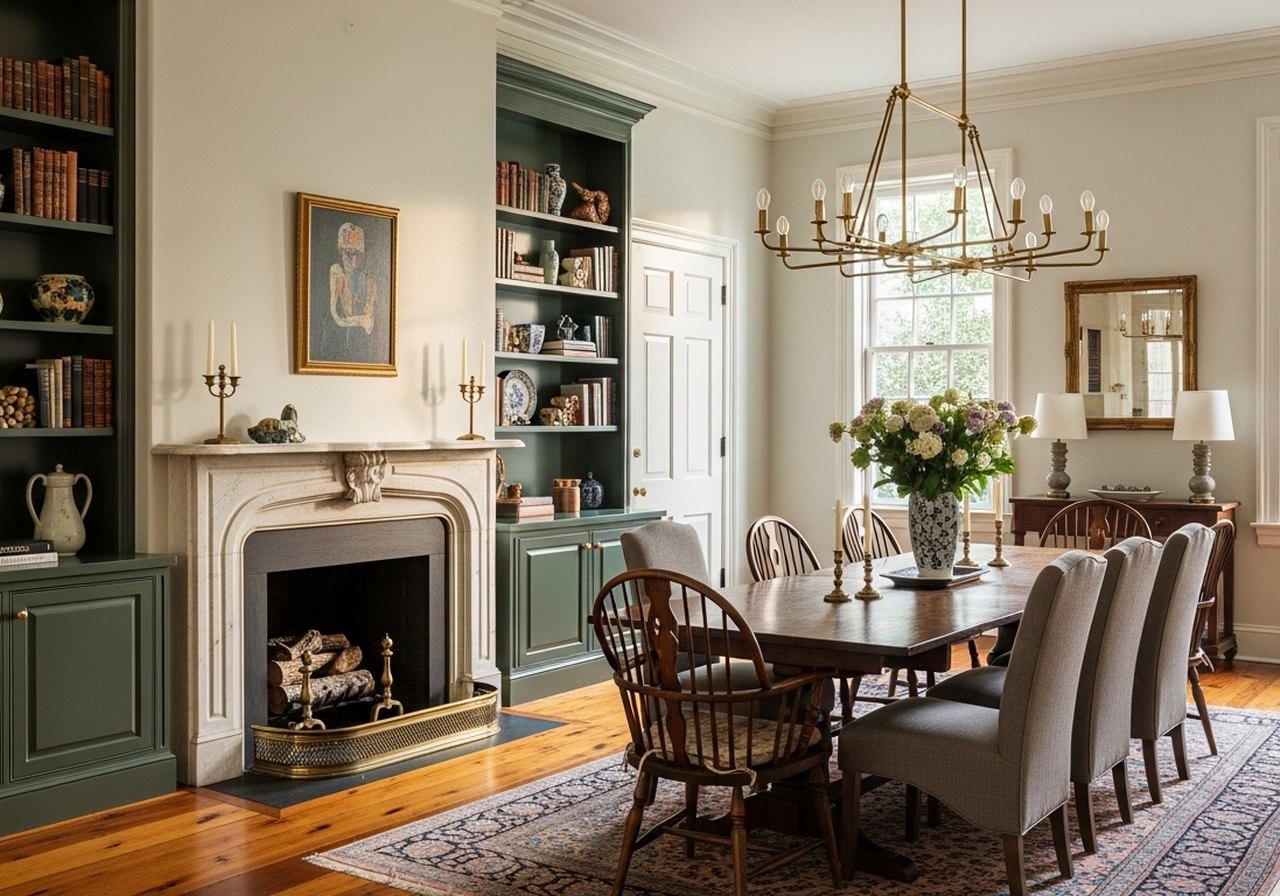
Built In Cabinets Around a Fireplace in a Historic Dining Room: Making Them Read as Original
The dining room needed storage and presence, and flanking cabinets either side of the fireplace solved both for about $4,000 from a local millworker. Profiles matched to the existing trim, painted the wall color, shelves lit from a hidden strip, and a room that finally reads as it was drawn.
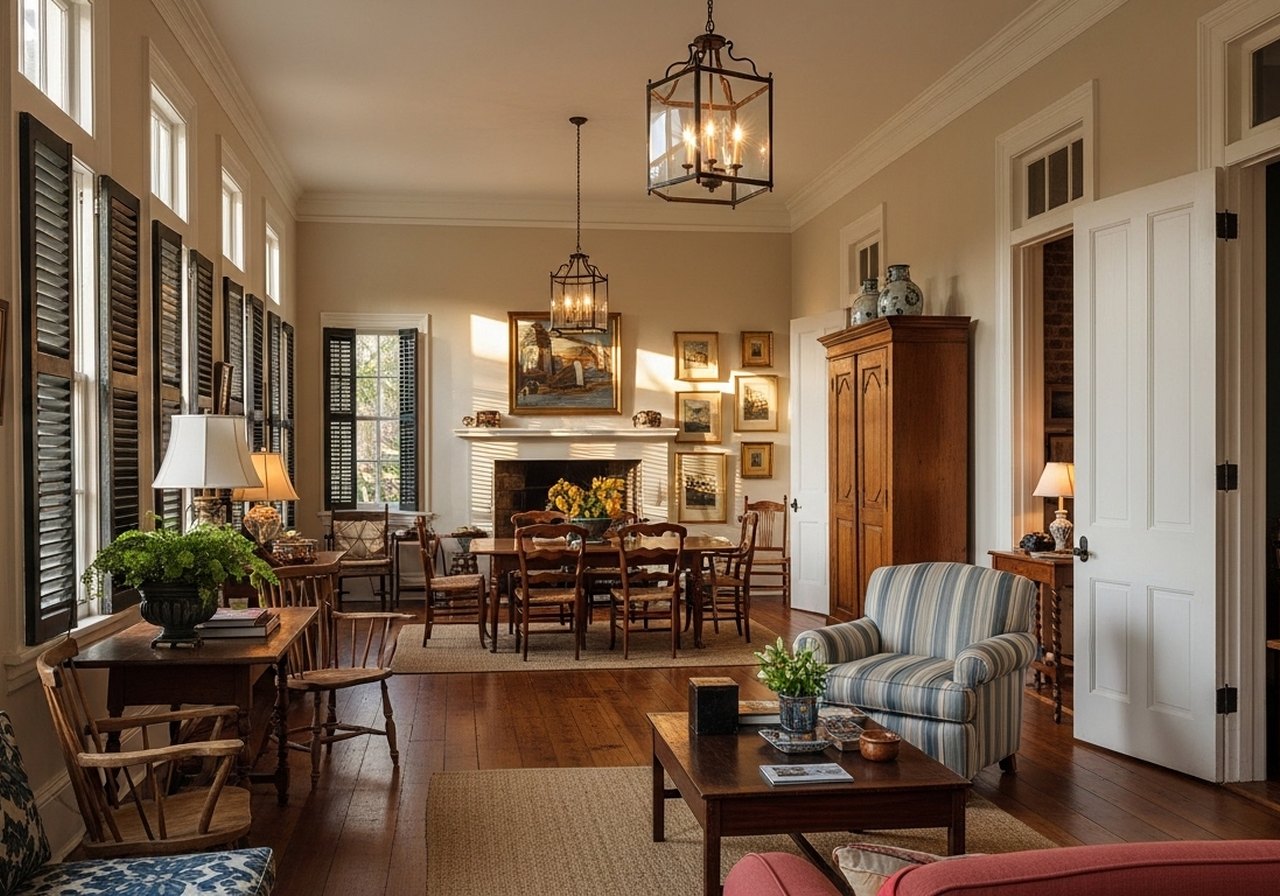
Buying a Historic Home: Our First Year of Lessons Learned
Learn what nobody tells you about buying and living in a historic home, from the inspection process to the first year of surprises, costs, and hard-won wisdom.
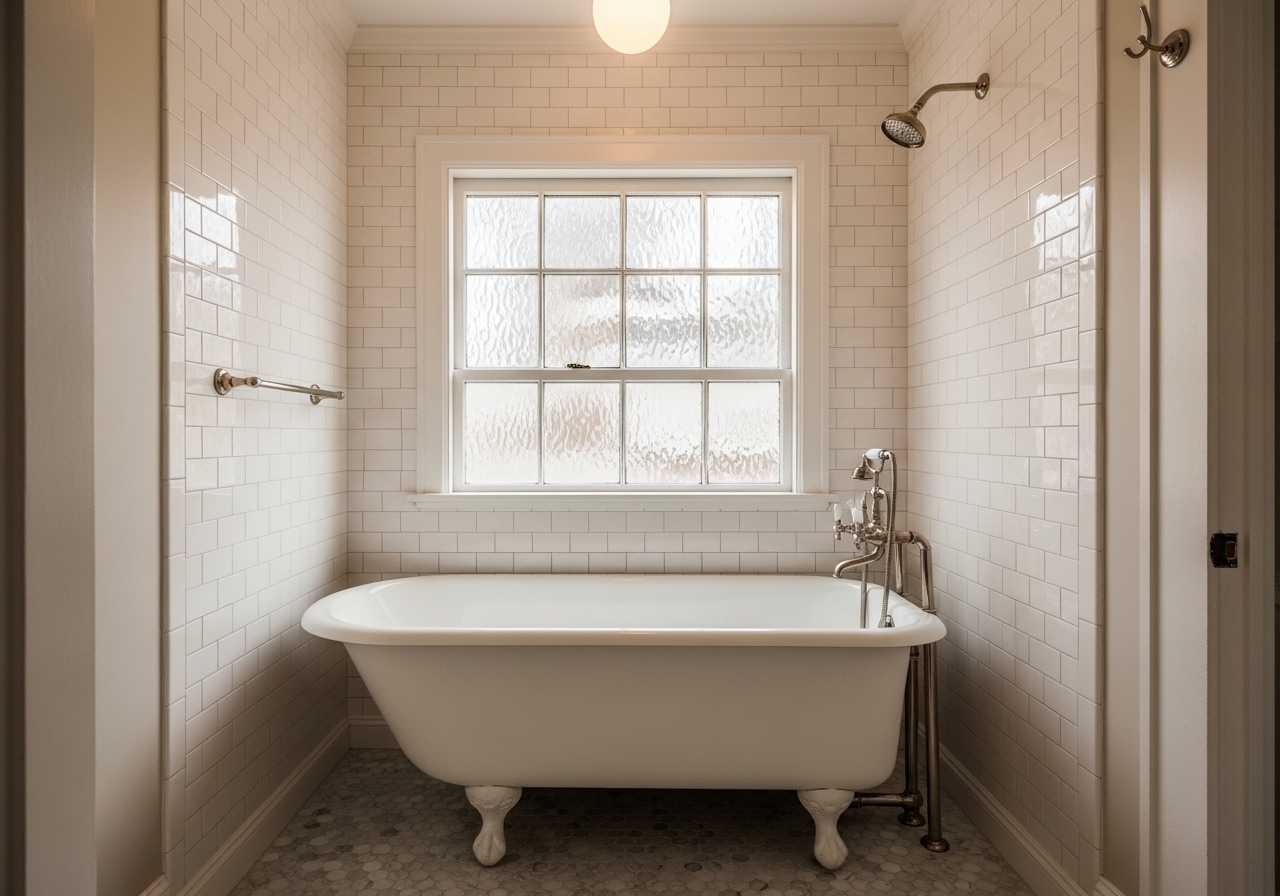
Clawfoot Tub Bathroom Ideas: What We Got Right and Wrong in a Historic Master Bath
The clawfoot tub was non-negotiable: 66 inches of cast iron from a salvage warehouse, 400 pounds, four people up the stairs, zero regrets. The marble hex floor, the salvage window, the sconces installed last, and what I would do differently.
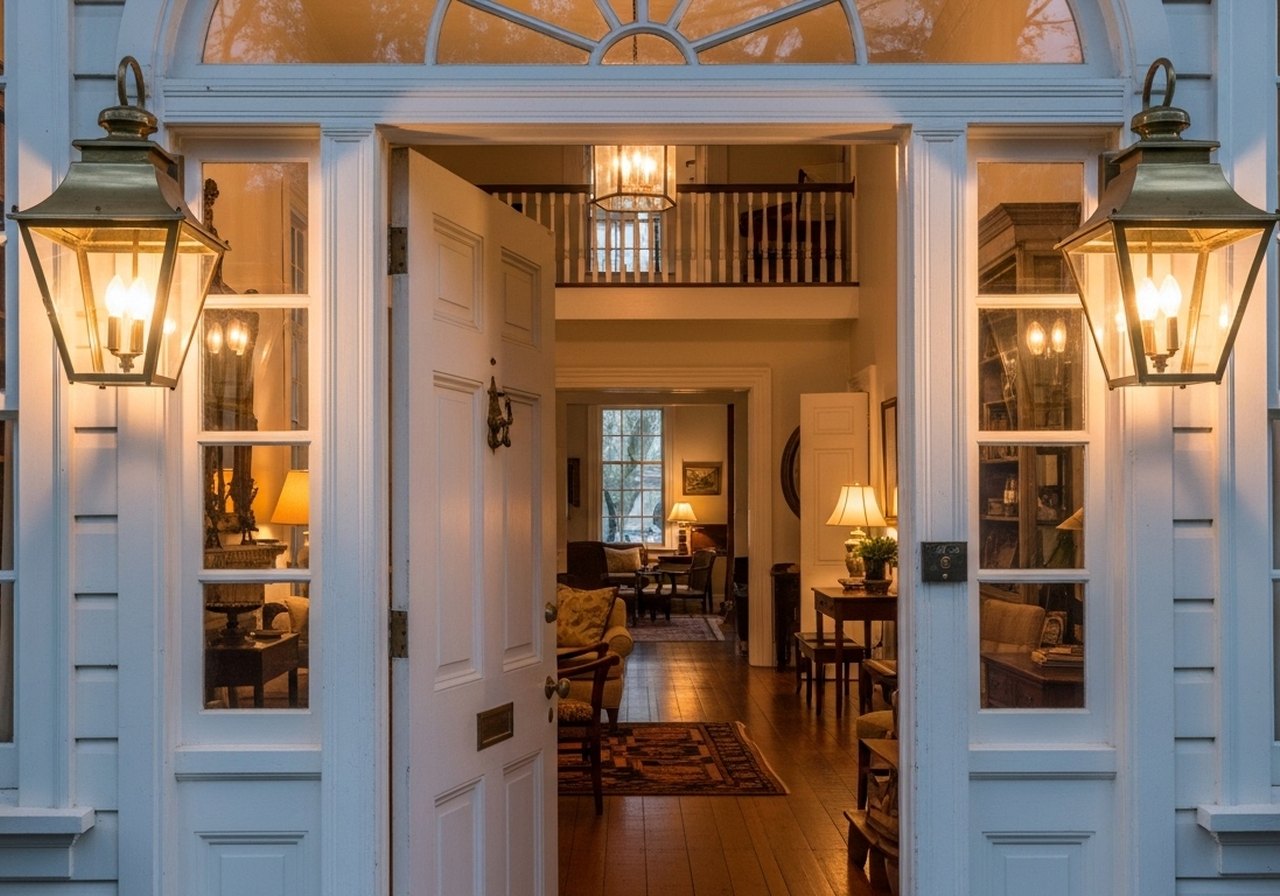
Exterior Lantern Lights for a Historic Home: Sized to the Door, Cast in Iron, Wired in Copper
The house came with 1980s coach lanterns, two 40-watt equivalents on a 40-foot facade. We replaced them with cast-iron lanterns from a maker who still casts them the old way, found aluminum wiring in the boxes, and the front of the house at night is now something I am proud of from the sidewalk.
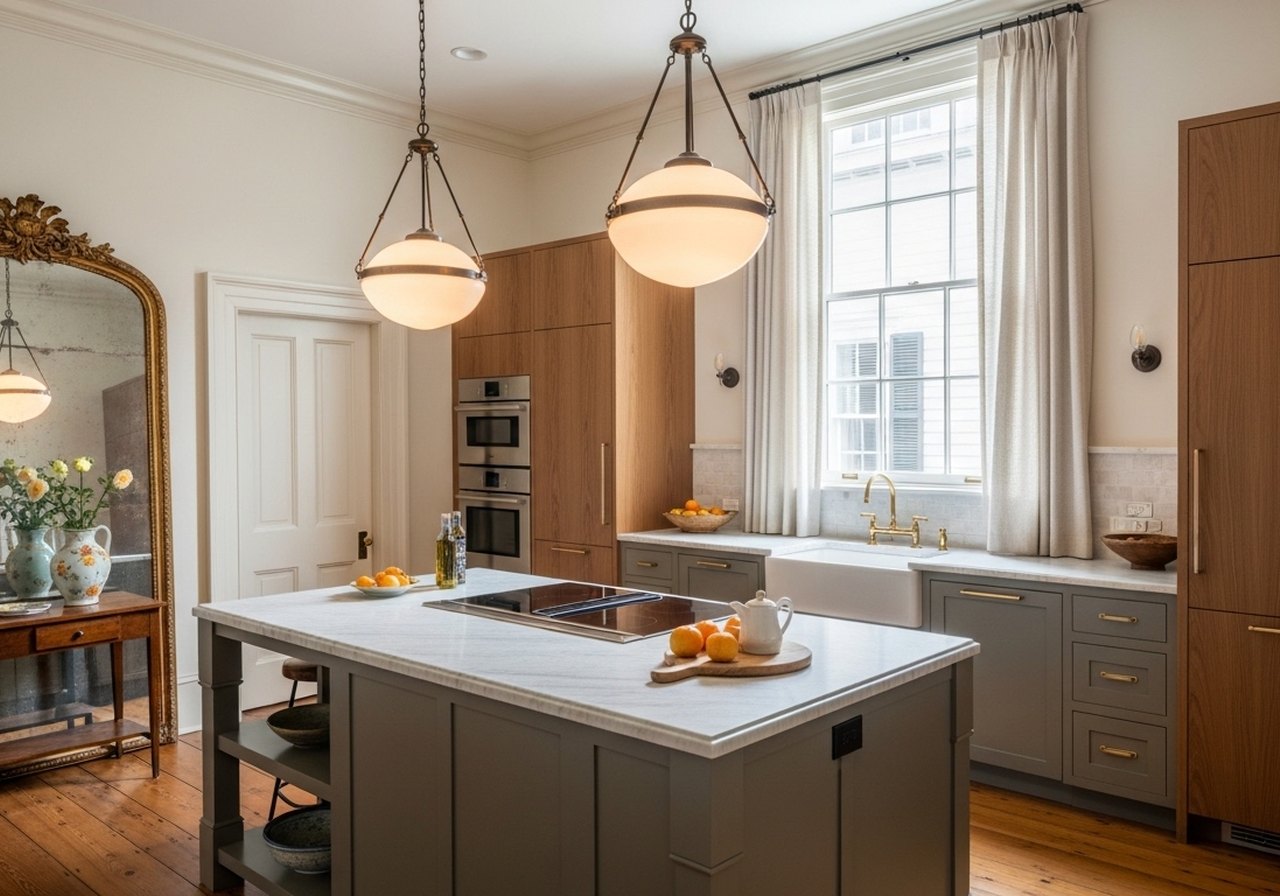
Historic Home Kitchen Renovation: What We Learned the Hard Way
Discover the real lessons from renovating a kitchen in an 1892 Charleston single house, budget surprises, layout decisions, hardware choices, and what we'd redo.
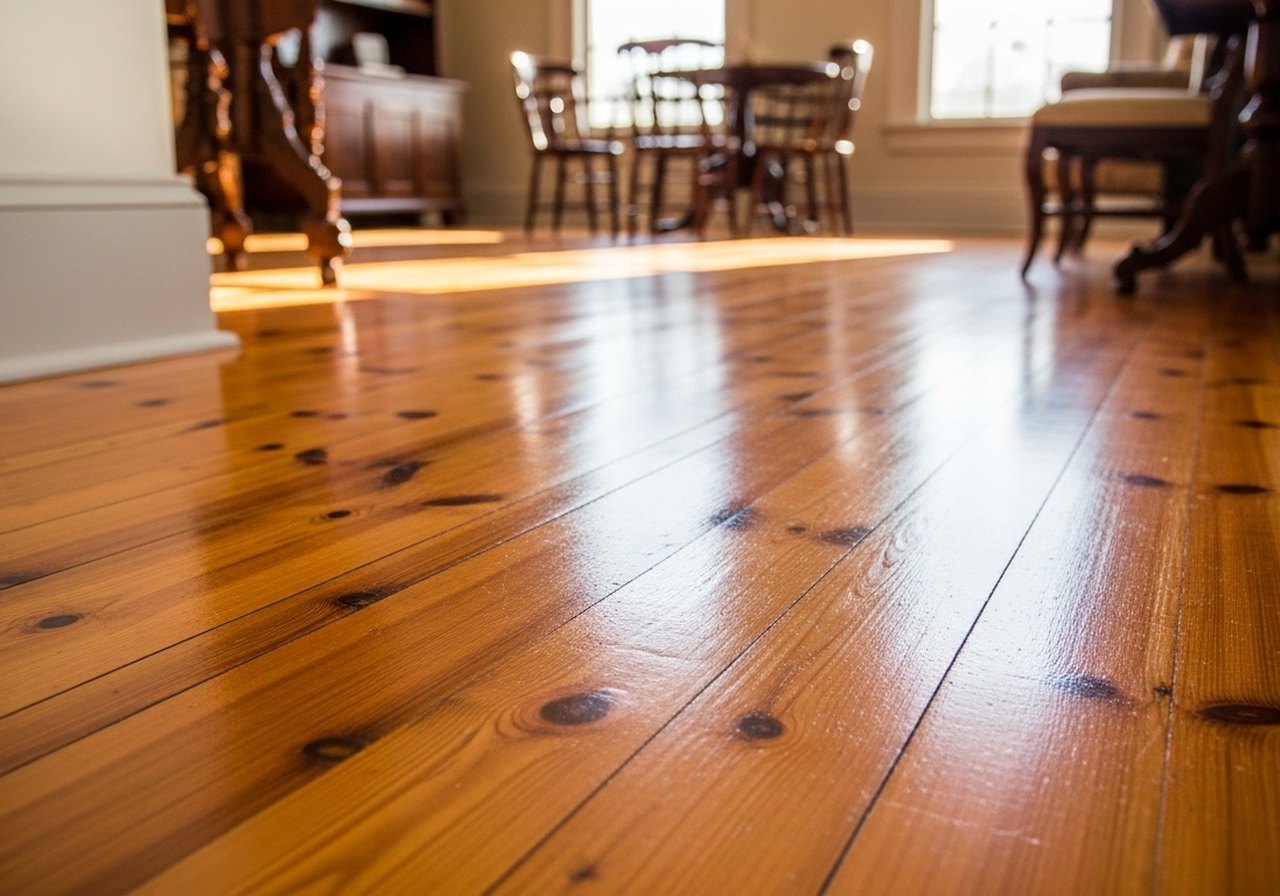
Refinishing Heart Pine Floors in a Historic Home: Our Honest Guide
See what it really takes to refinish original heart pine floors in an 1890s home, grit sequence, finish choice, costs, and the mistakes we'd avoid next time.
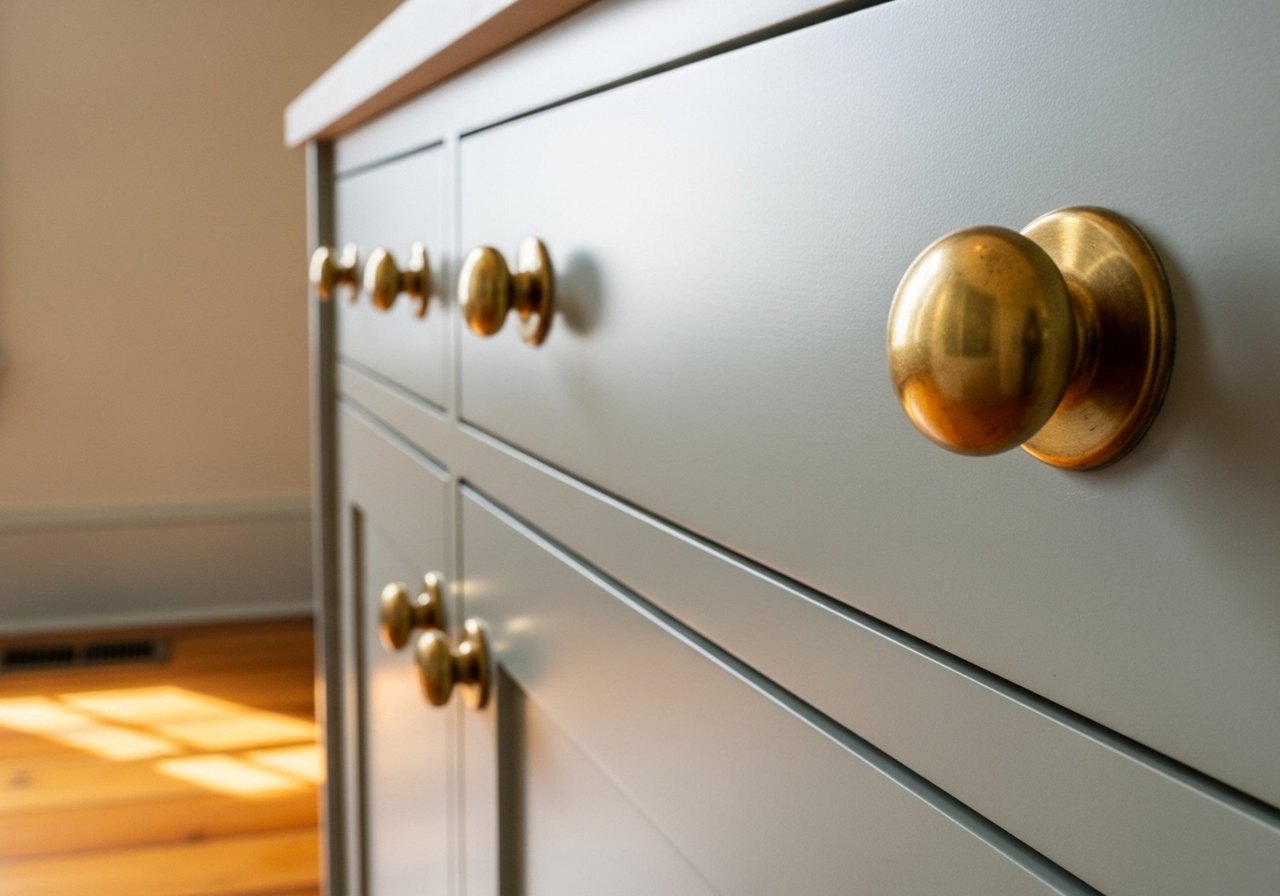
Unlacquered Brass Kitchen Hardware: Why It Is the Only Finish That Ages With the House
Every hardware decision came down to one question: will it look right in forty years? Chrome will not. Nickel probably will not. Unlacquered brass will, because it has no coating to fail. A year in, it looks like it has always been in the room.