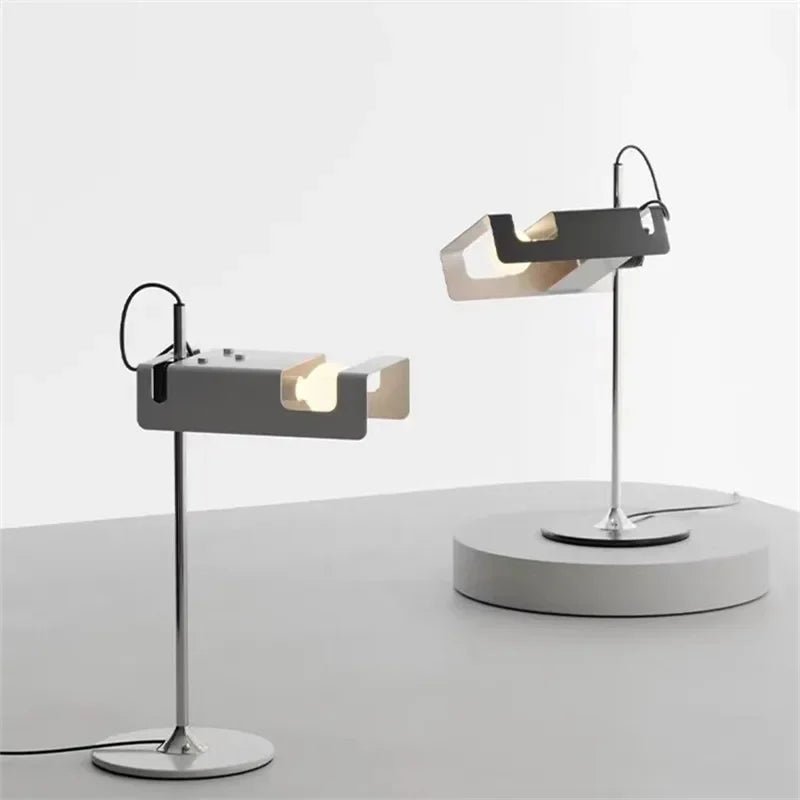
Spider Lamp Alternatives: The Joe Colombo Look for a Reading Corner in an Old House
The best spider lamp alternative for most reading corners is a slim adjustable lamp with a head you can aim, which is what makes Joe Colombo's design so useful.
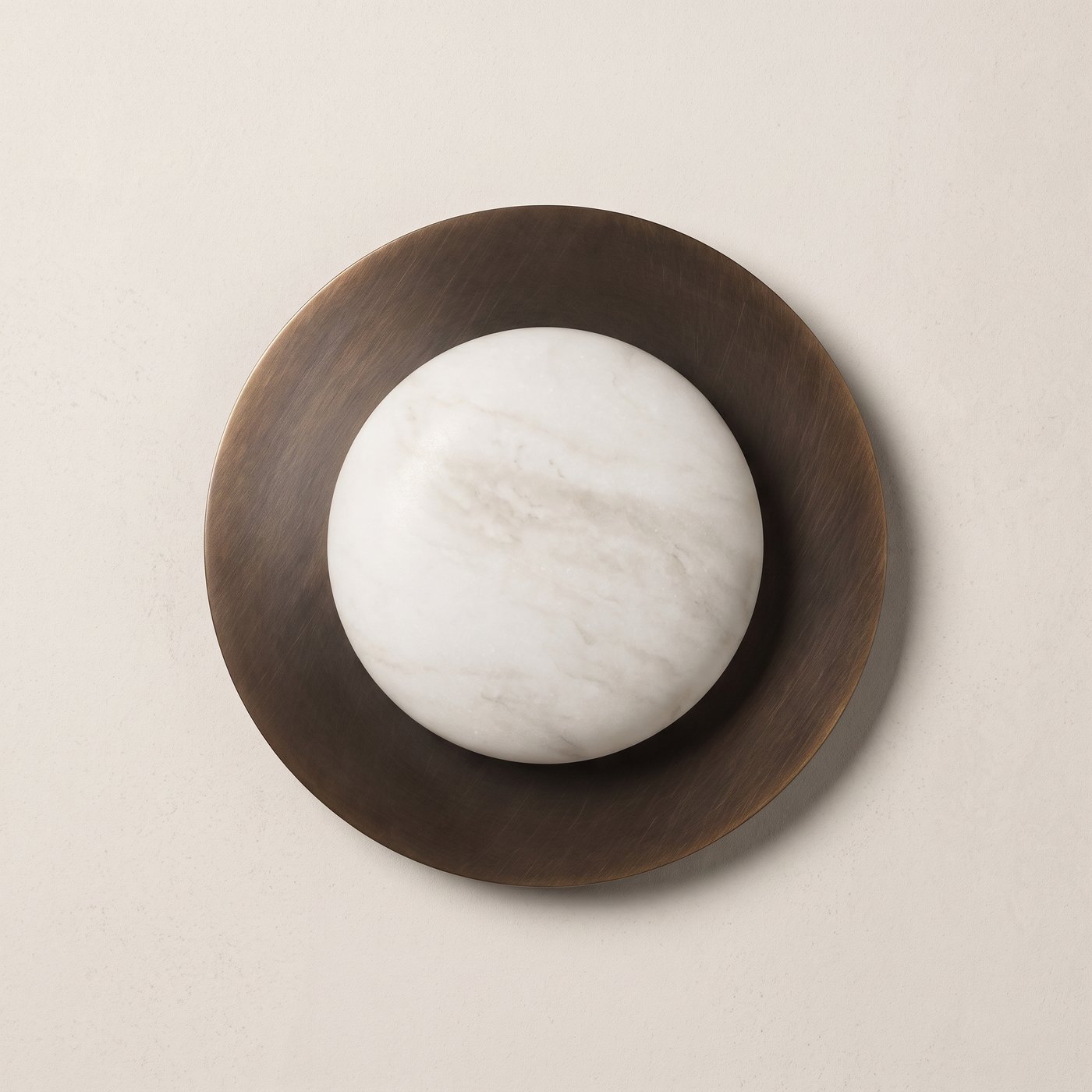
The Best Alabaster Wall Sconces for an Old House: Stone That Glows, From $150 to Nearly $1,000
The best alabaster wall sconce for most rooms in an old house is a small orb or column of real stone on an aged brass plate, hung in pairs.
The Best Plug-In Picture Lights for Art in an Old House, Without Opening the Plaster
The best plug-in picture light for most paintings in an old house is a brass House of Troy Advent sized to roughly half the width of the frame: it is a traditional shape that suits a pre-1900 room, it comes in plug-in, battery and rechargeable versions, and the plug-in models sit in the $56 to $70 range at major retailers.
The Best LED Edison Bulbs for Old House Fixtures: Lumens, Colour and Which Ones Belong in a Lantern
The best LED Edison bulb for most old-house fixtures is the Feit Electric ST19 8.8 watt clear straight-filament bulb: 800 lumens, 2700K, a 90 CRI, dimmable, and rated for enclosed and damp fixtures, which is what you need inside a lantern.
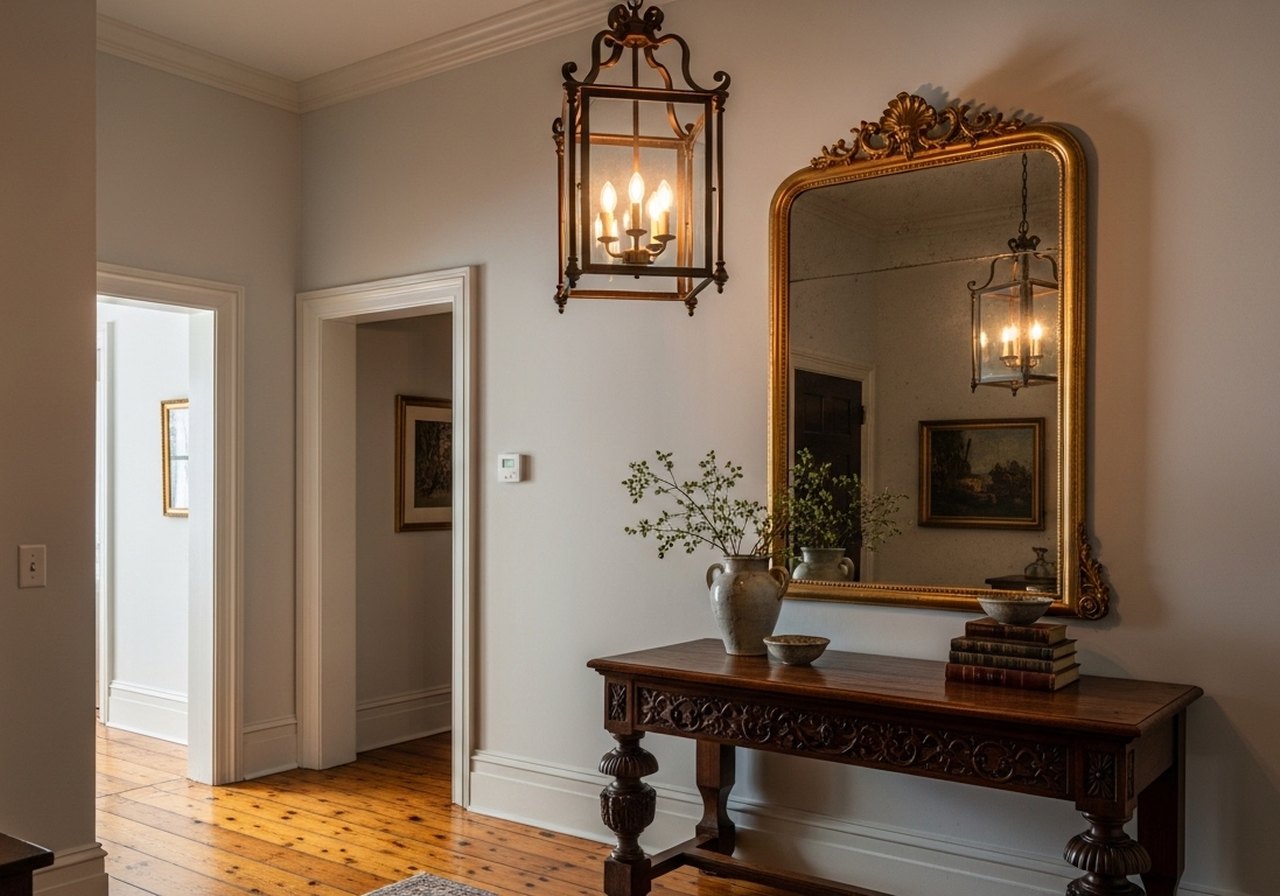
The Best Light Switches and Dimmers for an Old House: Push-Buttons, LED Dimmers and the No-Neutral Problem
The best light switch for a room you want to look original is a reproduction mother-of-pearl push-button switch, such as Classic Accents' single-pole model at around $14.
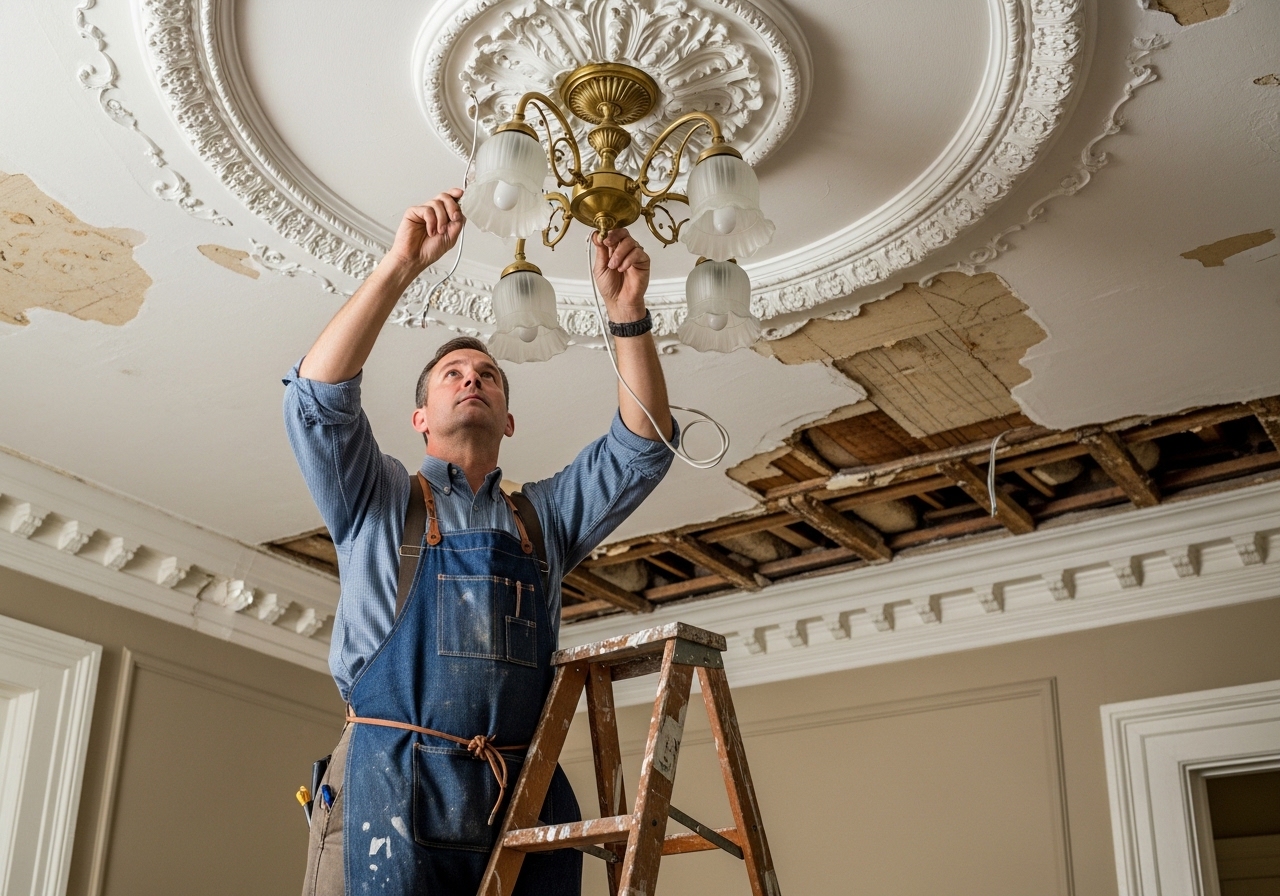
Start with Lighting: The Rule That Changed Our Renovation
Learn why lighting decisions must come before paint, furniture, or flooring in any renovation, especially in a historic home with 10-foot ceilings.
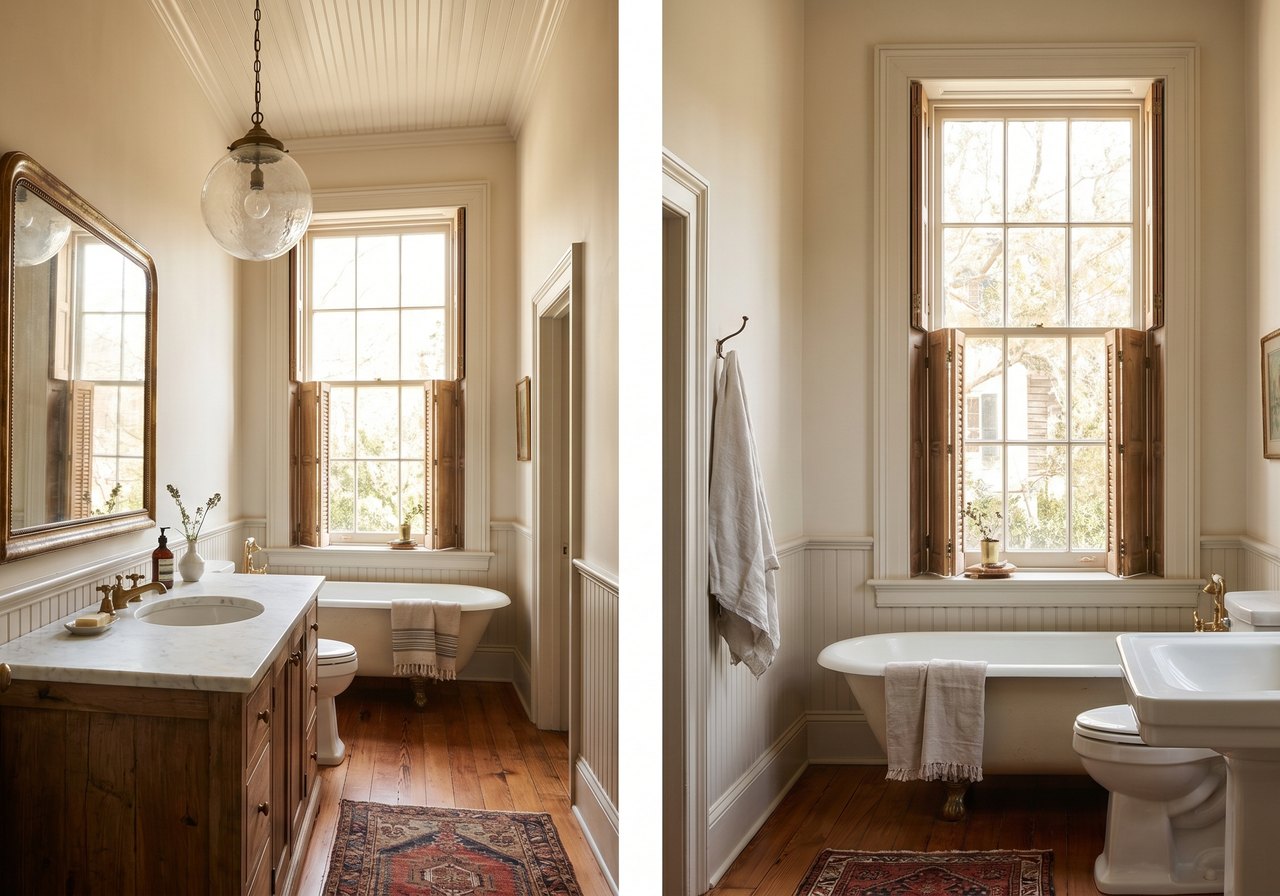
Bathroom Pendant Lighting: The Mistake We Almost Made (And What We Chose Instead)
Michelle Wharton shares what went wrong in their historic bathroom pendant lighting plan, what they chose instead, and the specific fixtures that finally worked.
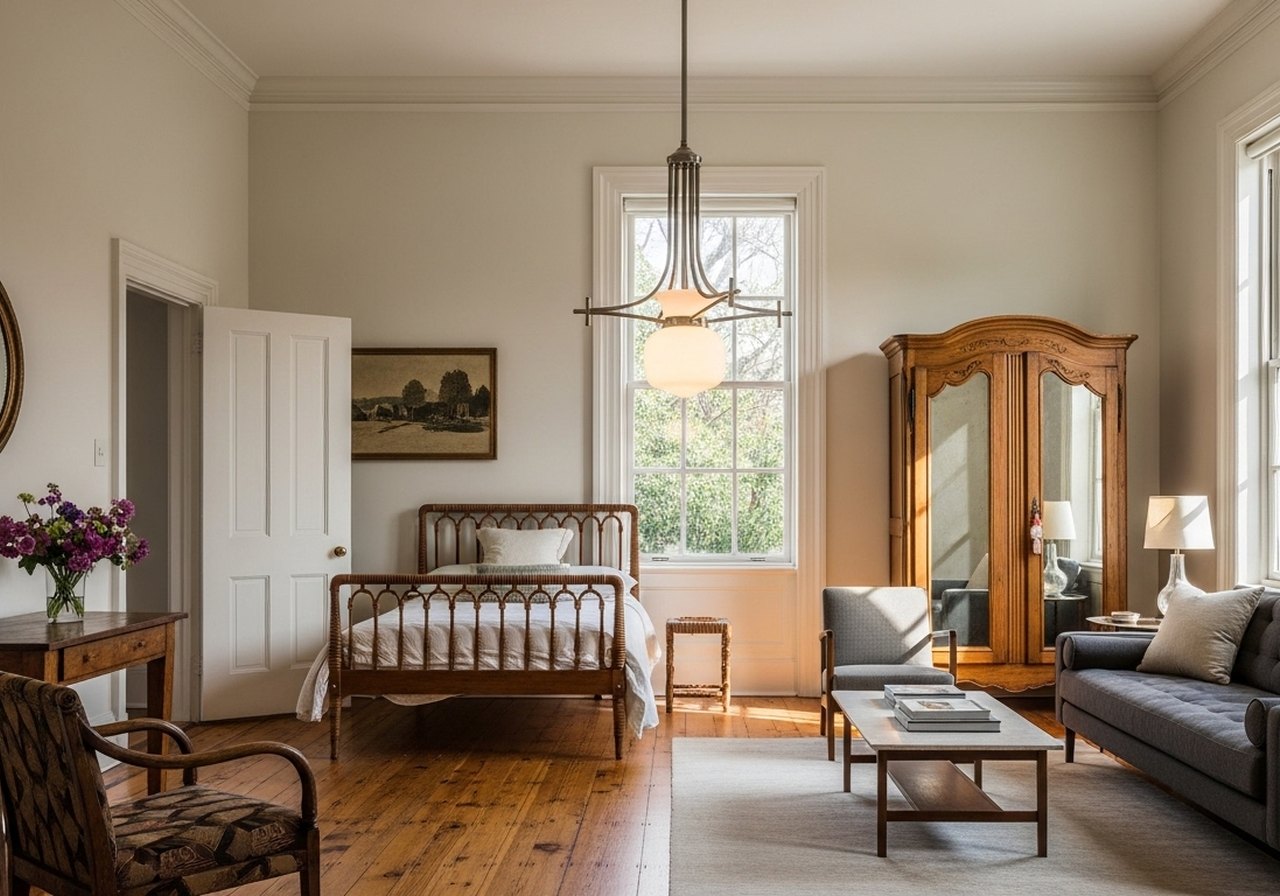
Bauhaus Pendant Light: The Style We Kept Coming Back To (And Why)
Michelle Wharton explains why bauhaus lighting kept winning in her 1890s Charleston home. And which bauhaus pendant lights she'd actually recommend for historic interiors.
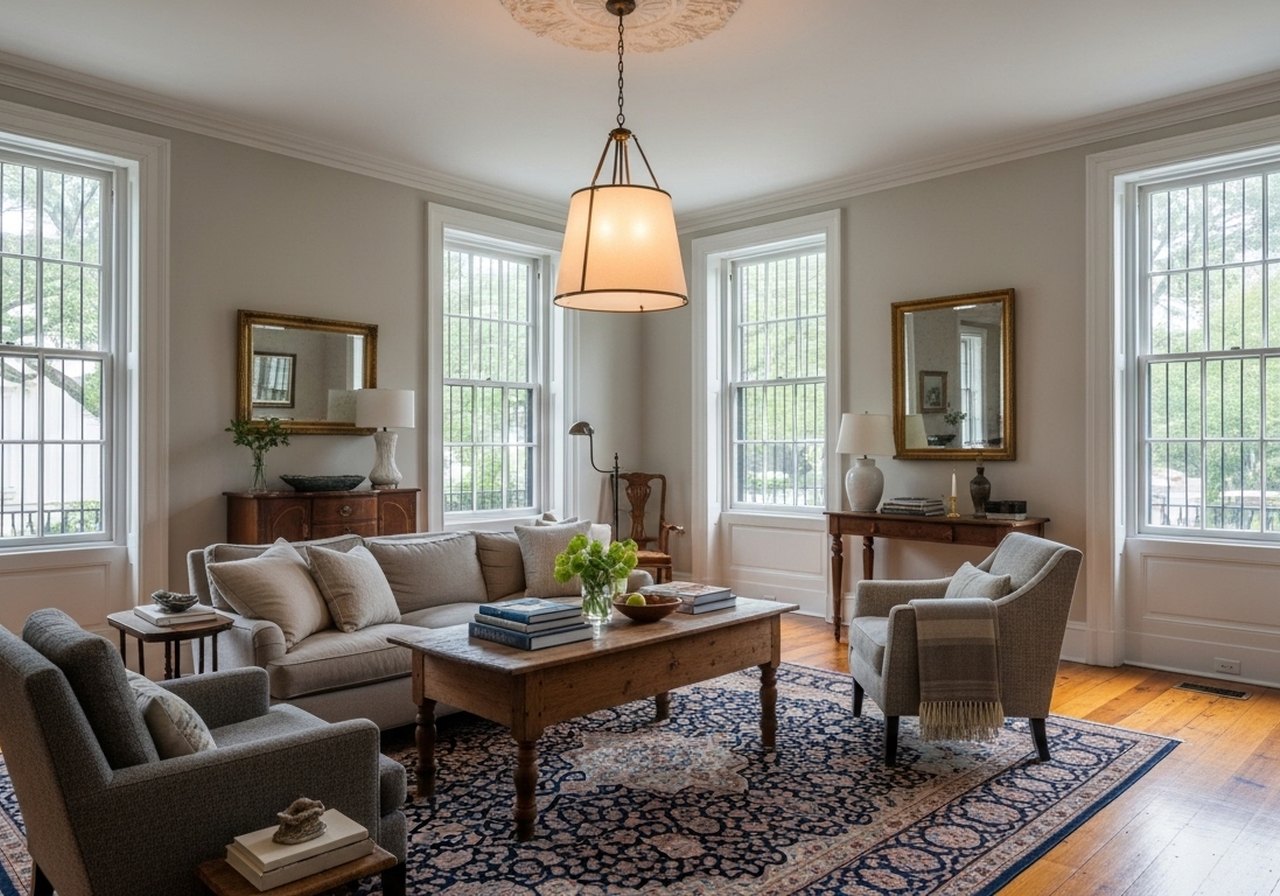
Chandelier for a 10 Foot Ceiling: The Drop-Length Rule and the Fixtures We Actually Bought
If your house has 10-foot ceilings and you are buying fixtures designed for 8-foot ones, your house is going to look like an afterthought. Drop length is the metric nobody puts on the box. Every fixture in this house, in numbers, and the $120 of chain that made $3,000 of fixtures look bought for the room.

Porch Lighting Ideas for a Charleston Piazza: 42 Feet, Salt Air, and a Dimmer Inside the Door
In Charleston the side porch is called a piazza, and lighting one is harder than it looks: 42 feet long, so one fixture lights nothing, and three blocks from the harbor, so damp-rated rusts in a year. Four wall lanterns, one hanging, one dimmer, and a house that glows the right way from the street.
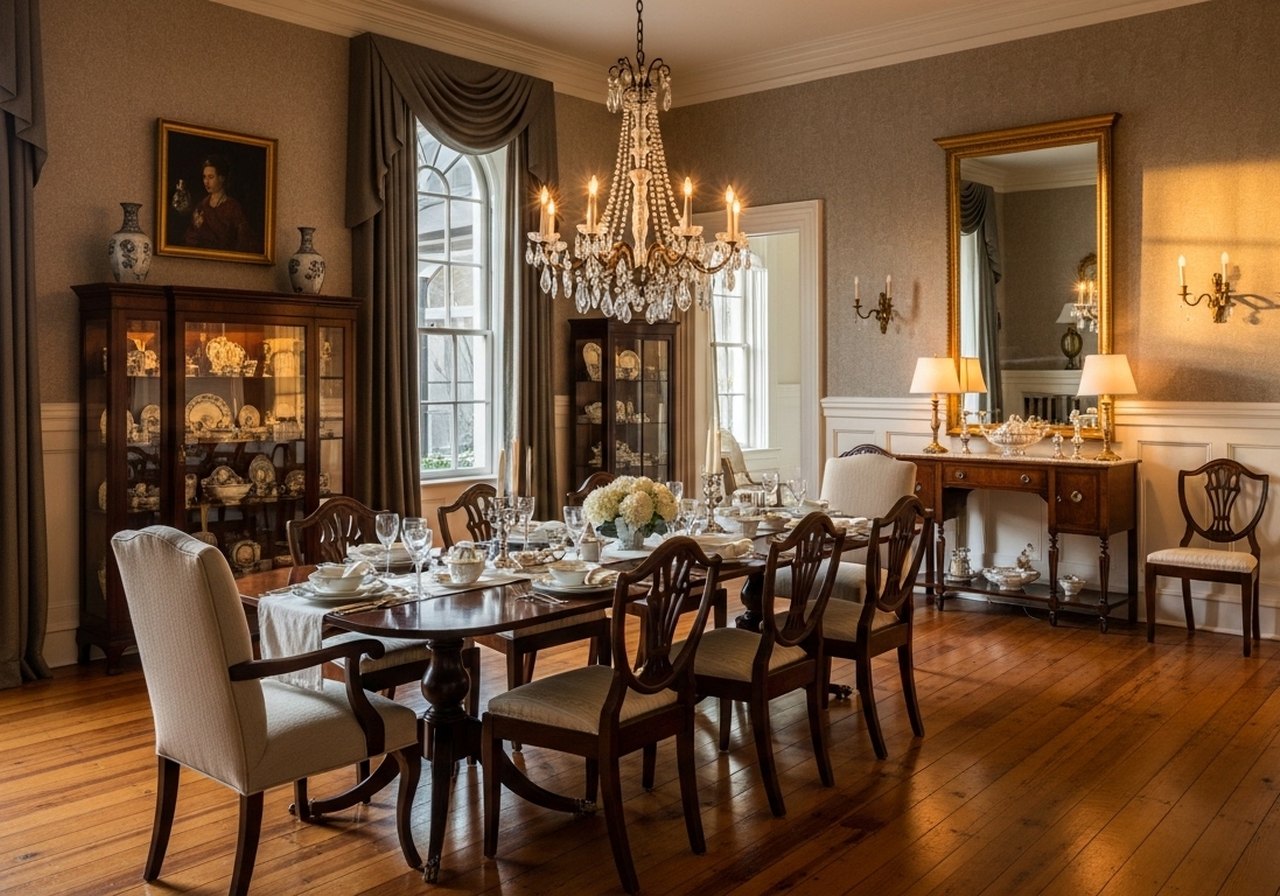
Dining Room Chandelier Height: 30 to 34 Inches Over the Table, and the Week We Hung It Too High
We had a builder-grade flush mount in the dining room for eight months, and every dinner felt like a doctor's waiting room. The chandelier we chose is brass and seeded glass, nothing radical, proportioned for the room, and dimmed to 40 percent it made the room a place to linger.
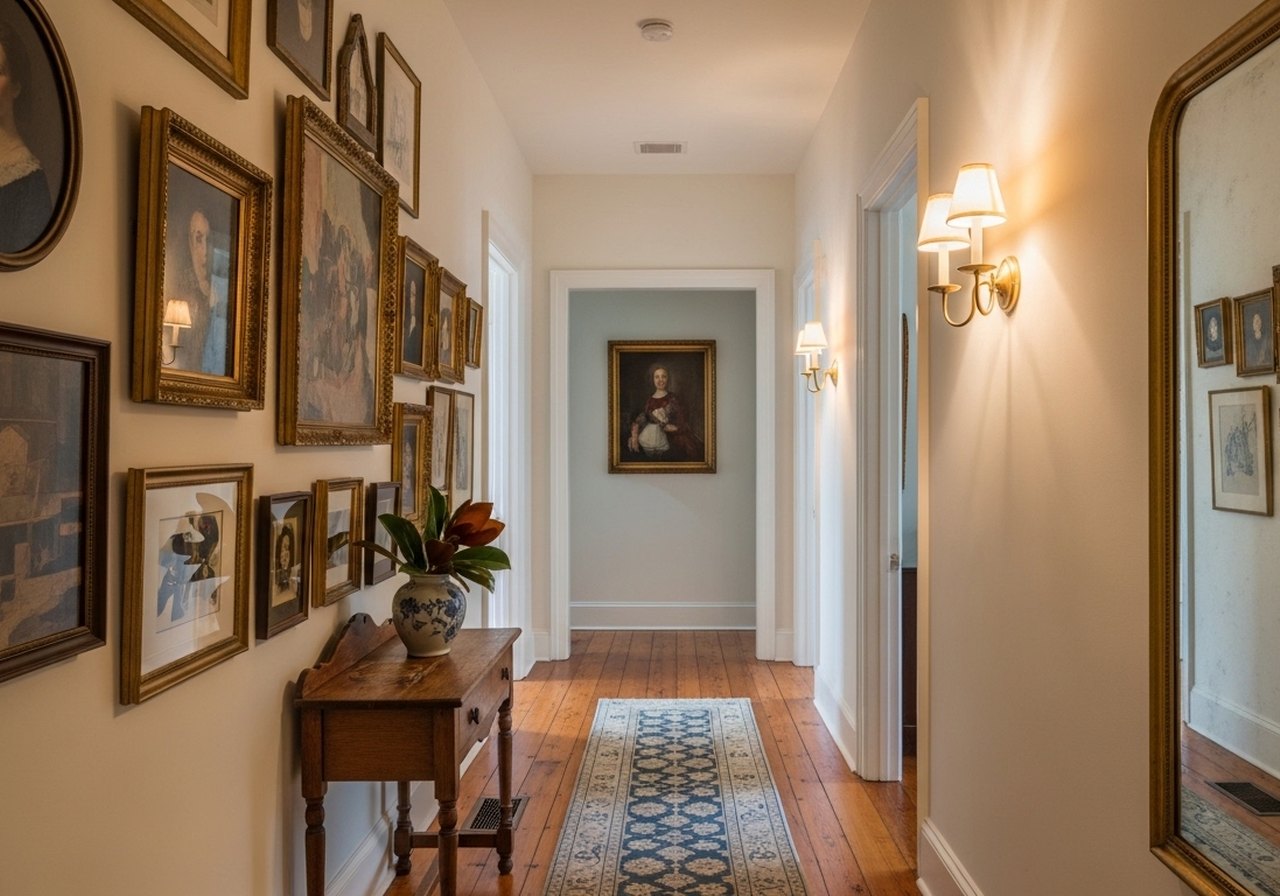
Hallway Sconce Height and Placement in a Narrow Old Hallway: 60 Inches, Every 8 to 10 Feet
Our main hallway is the spine of the house, and for a year it had one overhead at one end and a far end that was always dim. Sconces every 8 to 10 feet at eye level turned it into a sequence of warm pools, and the wiring came through the attic without cutting the plaster.
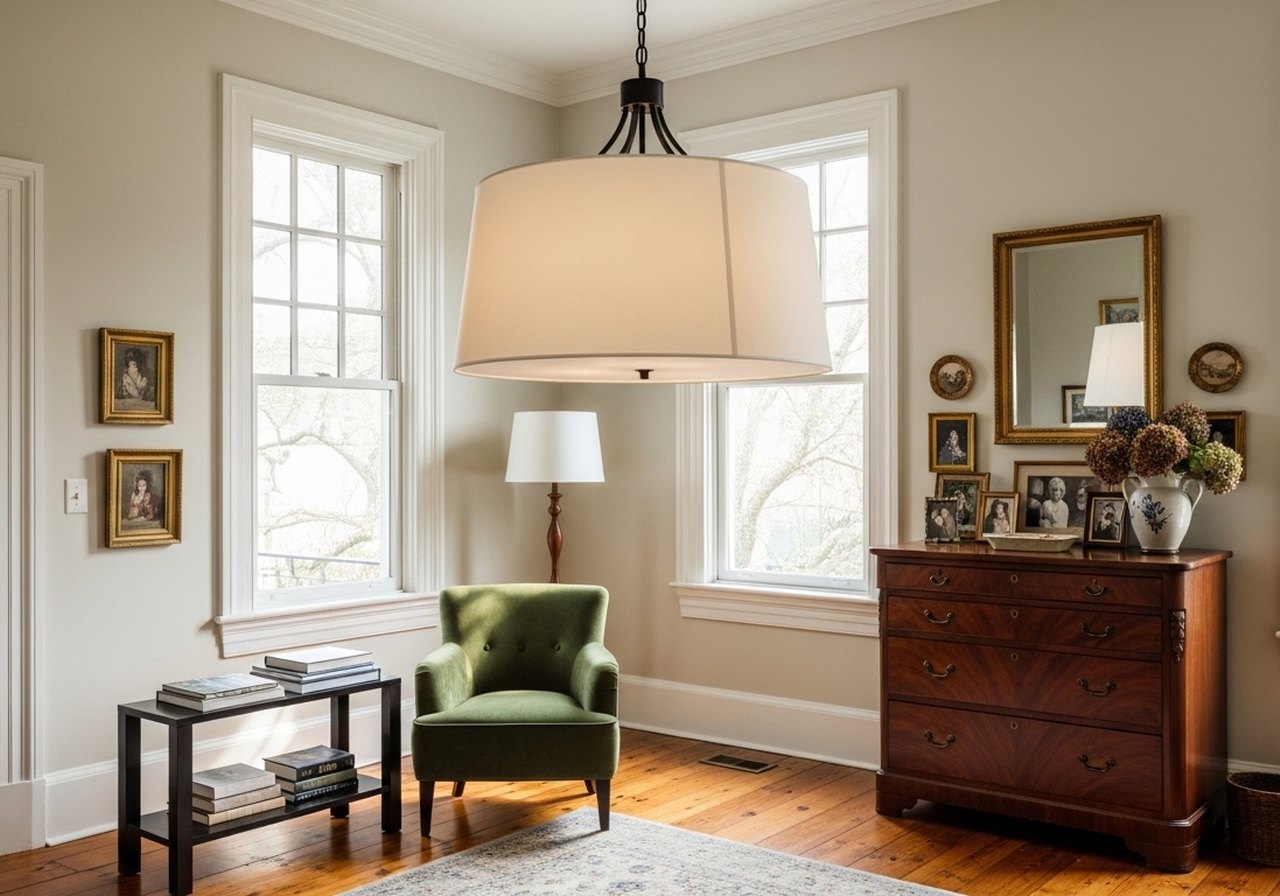
Pendant Light Size Guide for an Old House: Add the Room's Length and Width, Then Buy Bigger
The most consistent mistake in historic homes is the pendant that is too small for the room. A 14 by 16 room wants about 30 inches; most people buy 20 and wonder why it looks wrong. The formula, the exceptions, and every room in our house in numbers.
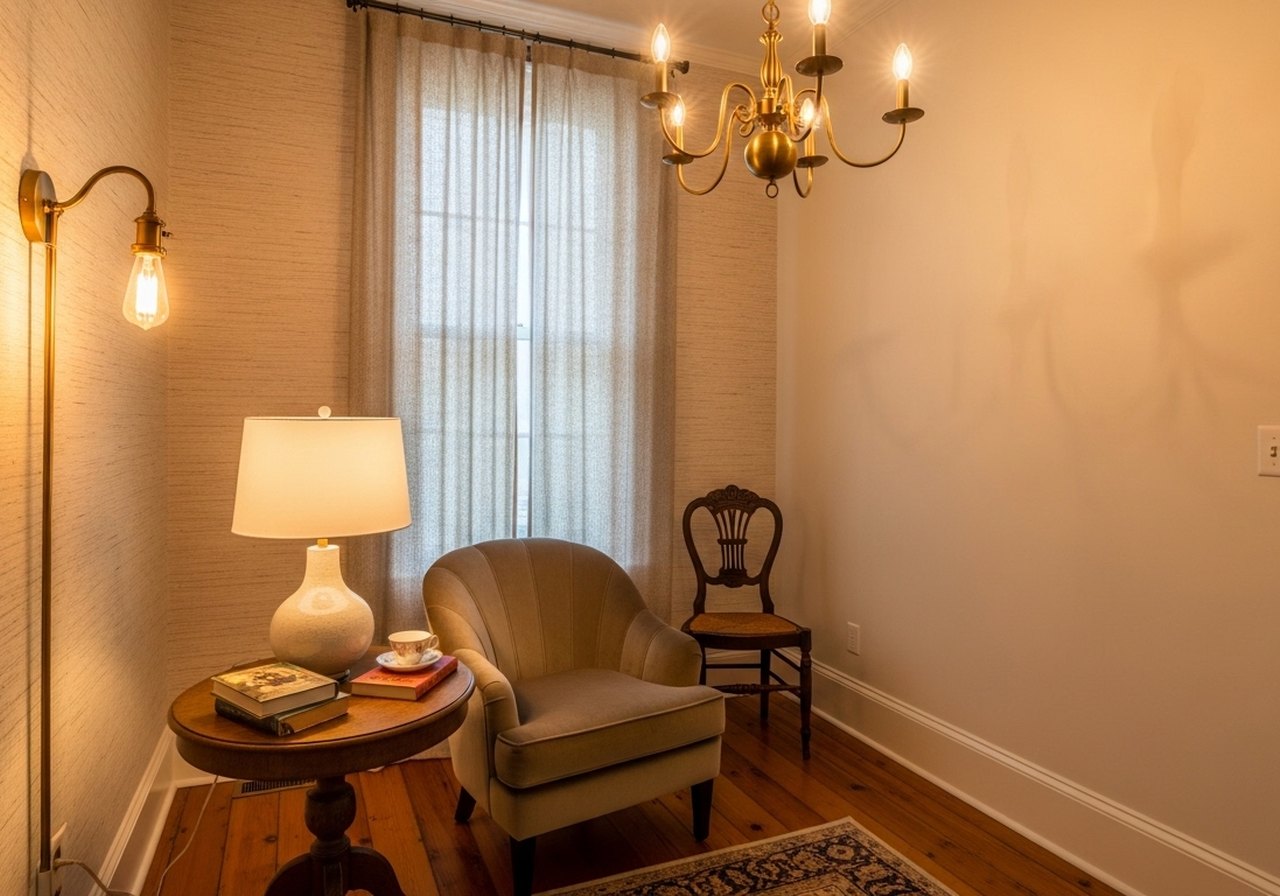
How to Layer Lighting in a Small Historic Room: Four Sources, Each With a Job
The hardest room in the house to light is the small one. Large rooms are forgiving; a 14 by 16 back parlor demands that every source earn its place. Four sources, about $250, and a room that reads as intimate because its light is where people are.

Lighting for High Ceilings: Why Old 10-Foot Rooms Are Easier to Light, Not Harder
Everyone who visits comments on the ceilings first. What they do not notice is that those same ceilings make the lighting easier than a modern house: fixtures hang low enough to feel intimate, medallions give a center point, and there is room for a warm layer where people live.
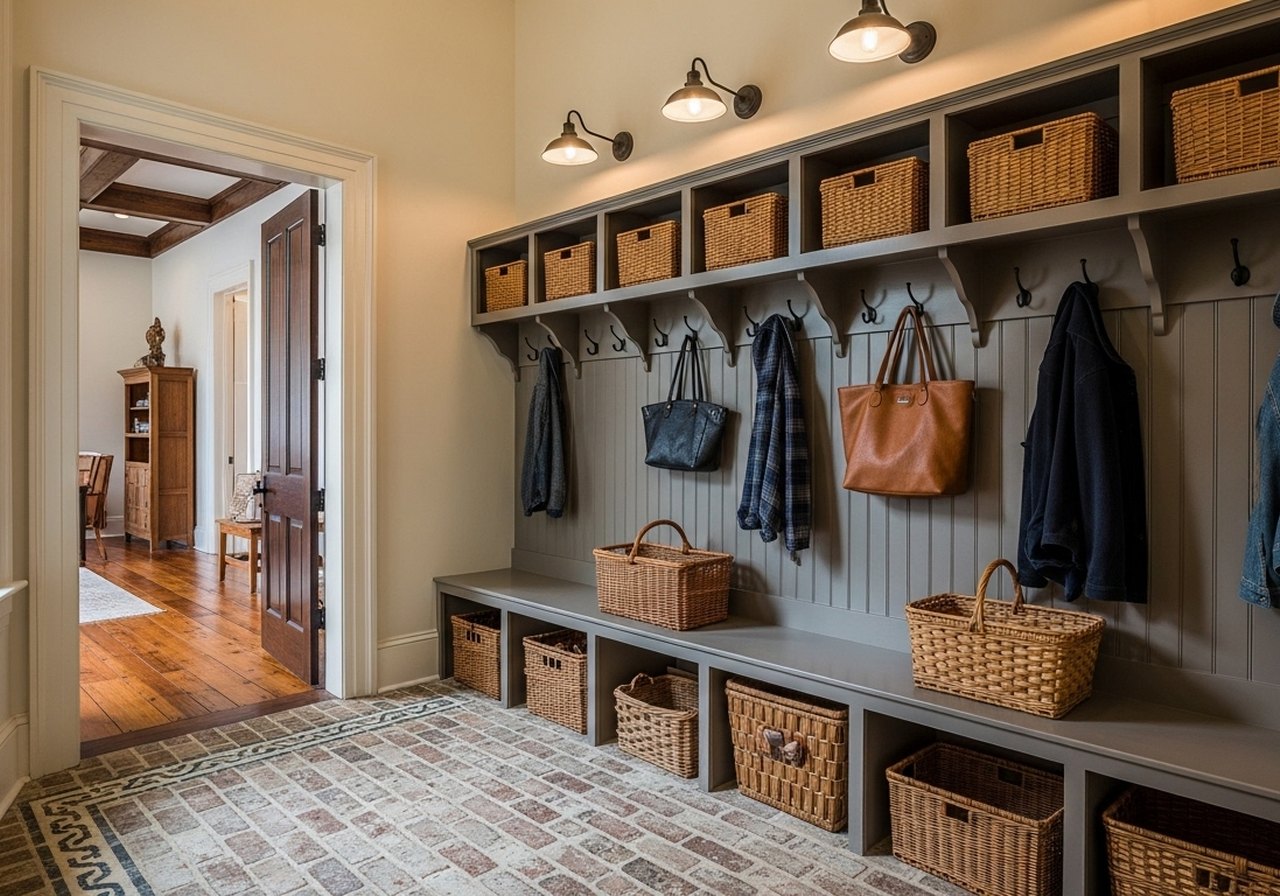
Mudroom Lighting: The Right Fixture, Lumens, Placement and the Two Switches to Wire First
A 6 by 9 back hall that takes more abuse than any room we own. The fixture, the bulb, the bench sconce, and the two switches I'd wire before anything else.

Pendant Light Height Over an Island: 32 Inches, Exactly Level, and the Sightline Test
This question comes up more than any other. The standard range is 30 to 36 inches; I have measured a lot of kitchens and 32 is the number. We hung ours at 34, lived a week, and dropped them. The caveats, the arithmetic and the one rule that is not approximate.
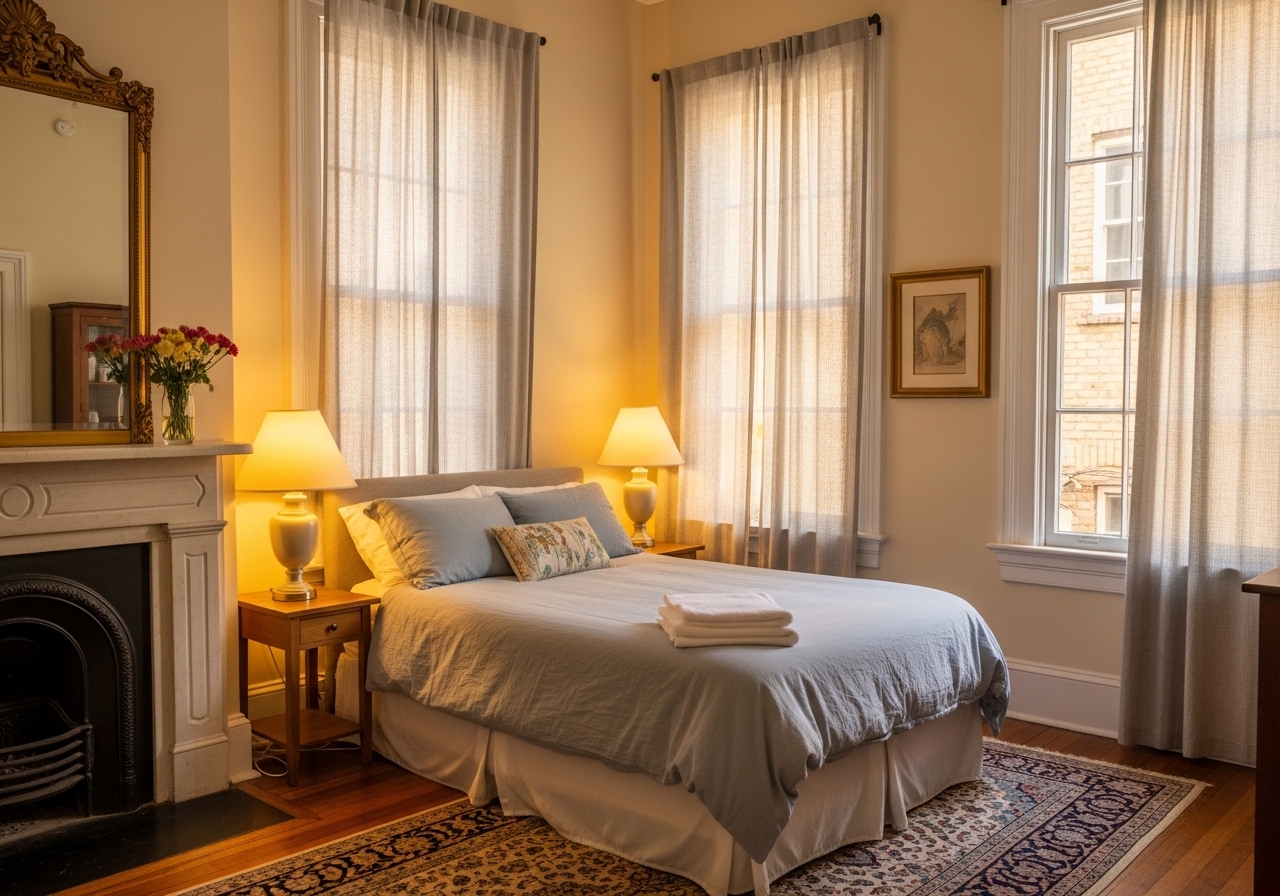
Small Bedroom Lighting Ideas for an Old House: Take the Light Off the Ceiling
Small rooms have a lighting paradox: enough light to function, and too much overhead makes them a cardboard box. Abandon the ceiling as the main light, put matched sconces at the bed, and use the nightstand's space for a chair. The room stops measuring itself.

When a Statement Pendant Belongs in a Historic Home, and the Rooms Where It Doesn't
A statement pendant in the wrong room reads as imported. In the right one it looks like it was always meant to be there. The difference is proportion, material and the room's register, and three people have asked where ours came from.